Let’s create experiences that matter.


© 2017-2025 Sprucepop Inc.
Using AI as a creative amplifier to design an AI-driven brand for a neurodivergent employment platform.
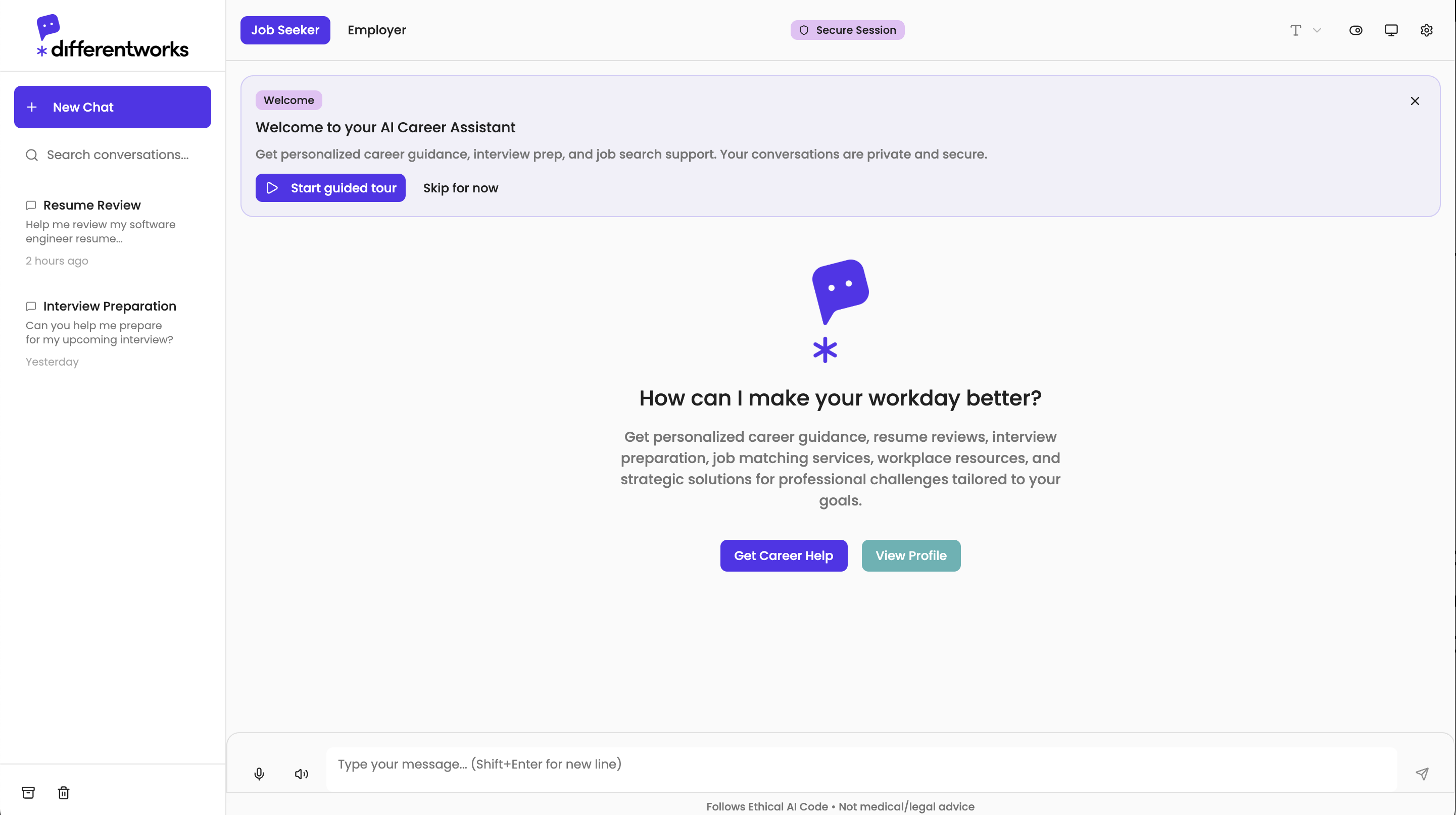
Differentworks needed a brand for their AI-powered employment platform that would support the mission of helping neurodivergent individuals find meaningful work and build stronger workplace relationships.
They came to me without a company name. They had an initial brand positioning doc and a few naming ideas, including the tagline "Different works."
The challenge was creating a name and visual identity that would stand out from conventional job boards. It needed to feel welcoming to neurodiverse audiences while establishing credibility and reflecting forward-thinking AI technology with a humanized feel.
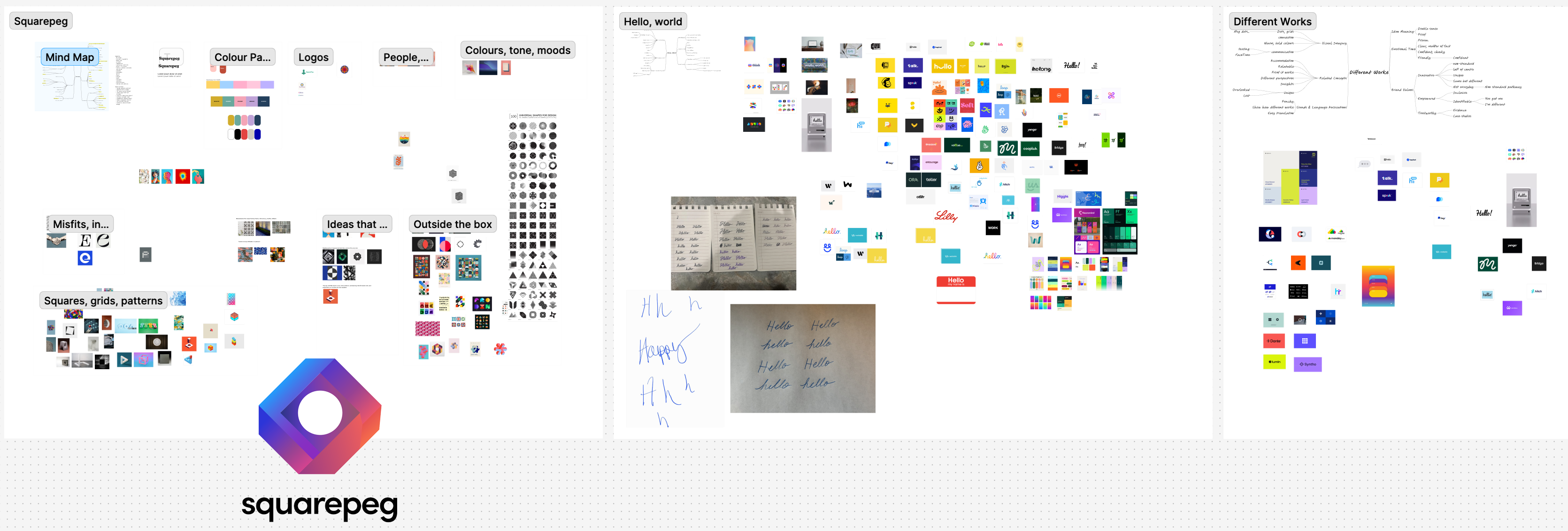
My early work focused on framing difference as a strength worth celebrating. I wanted a name that felt slightly defiant. Apple’s Think Different campaign served as a north star for my thinking.
After mind mapping and building mood boards around key ideas, I proposed Squarepeg as a working name. It captured the energy of someone who doesn’t fit the mold yet creates value through that difference. The name spoke to the friction that drives innovation and gave the brand a confident, rebellious tone. We developed early visual studies around it, but trademark conflicts forced a change.
That led us back to two options: Hello Work, which I suggested for its approachable tone and reference to “Hello, world,” and Different works, a phrase the client had introduced as a tagline. Combining it into a single word kept the creative spirit of Squarepeg while feeling broader and more adaptable. It became the final choice.
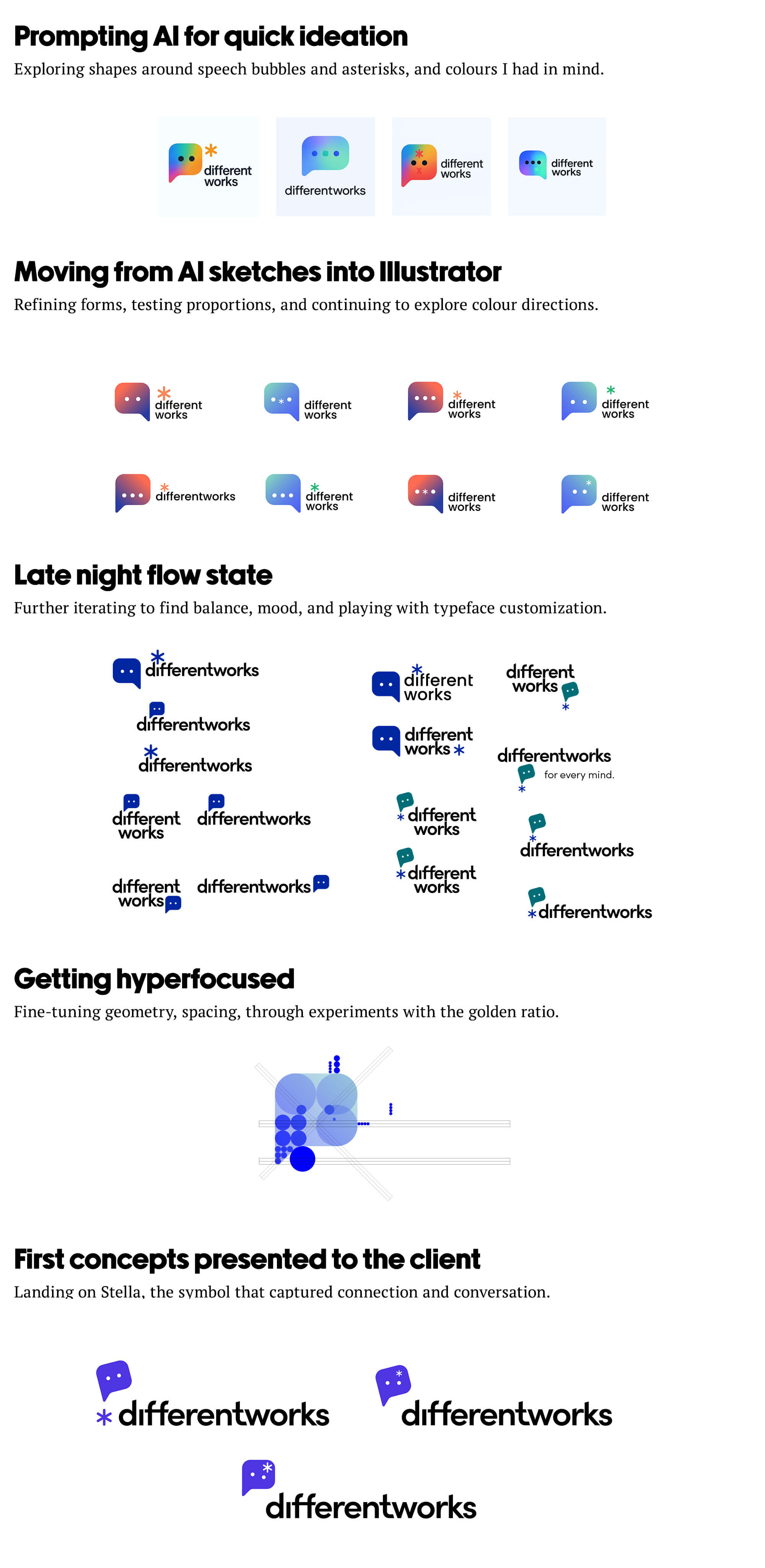
Once the name was set, I used AI for what I call a creative amplifier. It helped me surface and visualize ideas I could react to quickly, then refine in Illustrator. I fed it fragments from my sketches, keywords from my mind maps, and shapes that suggested conversation, movement, and connection.
As someone who is neurodivergent and tends to think in fast, overlapping patterns, this process helped me organize thoughts that usually race ahead of my hands. AI turned that noise into something tangible, allowing me to structure my intuitions. There’s a situational irony in designing a logo for neurodivergent users while using the same tools to bridge how my own mind works.
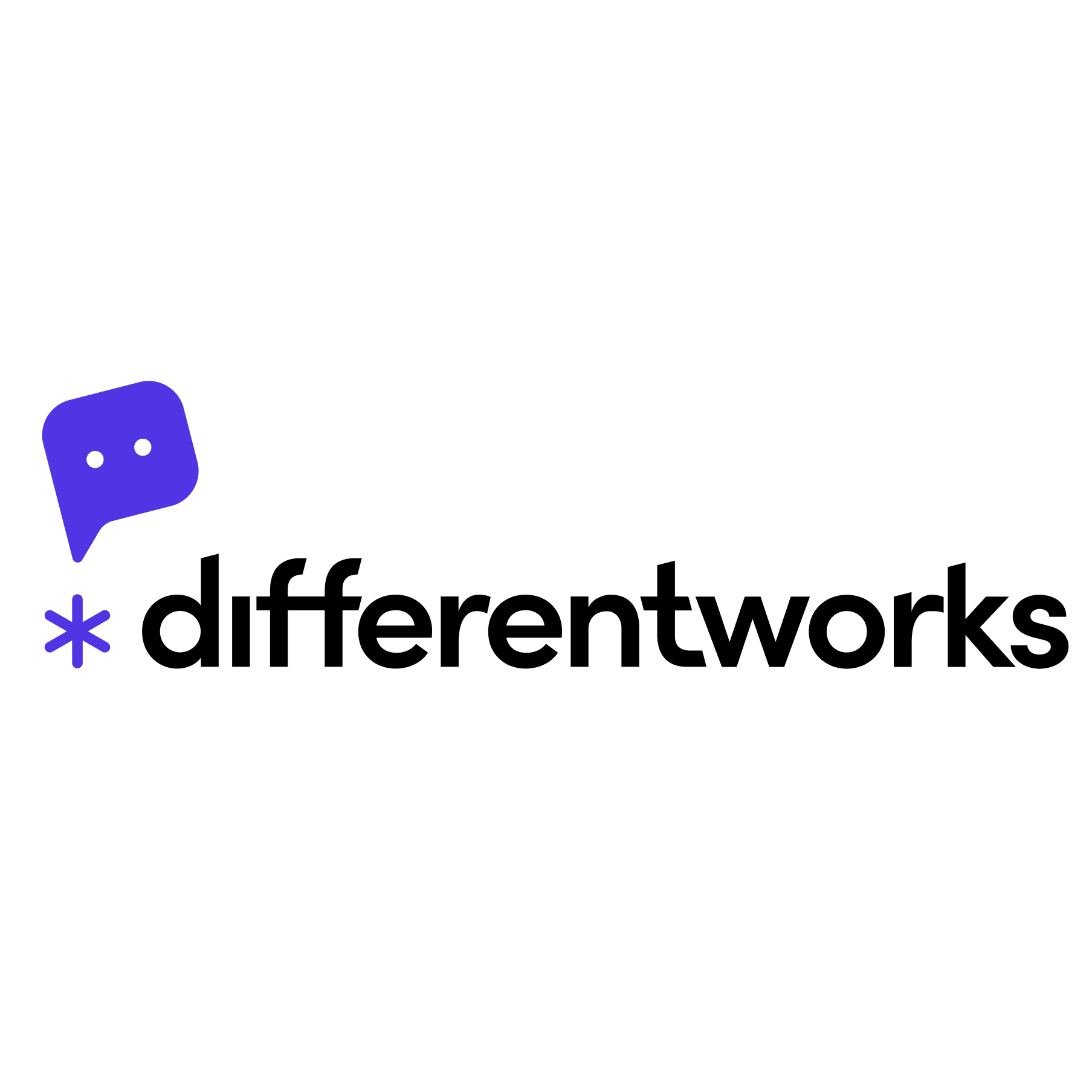
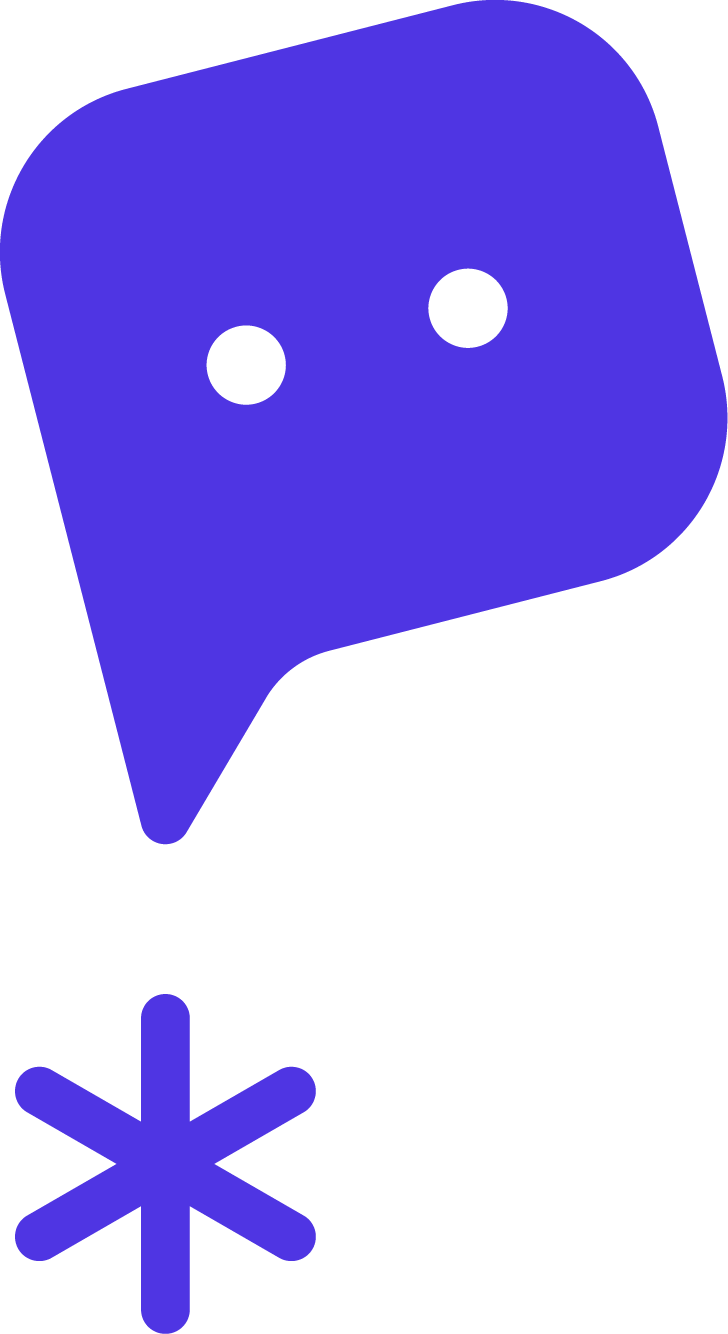
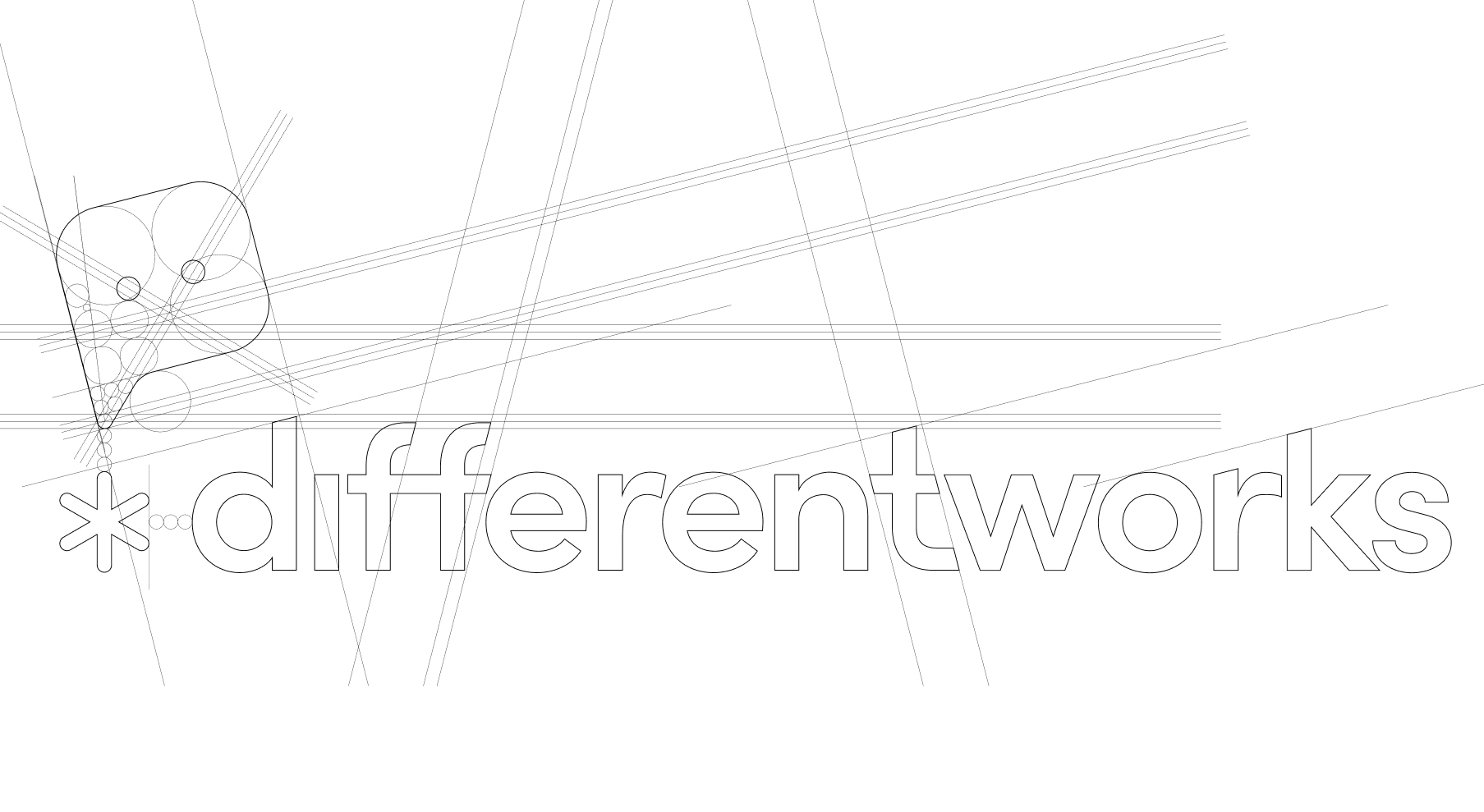
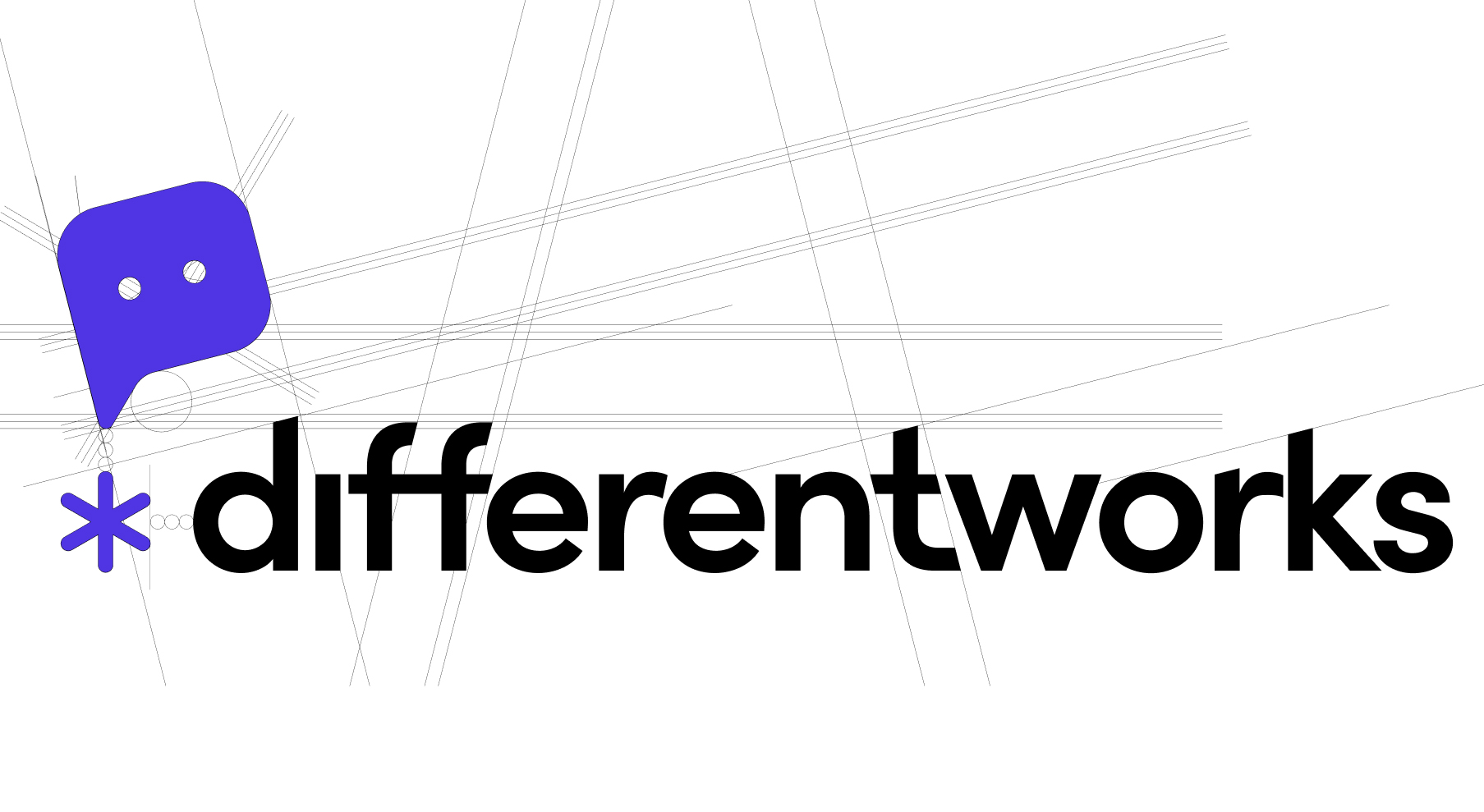
The final logo, which I named Stella (star in Latin), grew out of that iterative process. It's a speech bubble set at a subtle angle, suggesting motion and dialogue. Built on the golden ratio, the form feels balanced and intentional. The shape doubles as a face, reminding us that the platform is built around people and conversations.
Stella carries a sense of guidance and warmth. It brings personality to the brand, balancing the intelligence of the technology with an approachable, human tone.
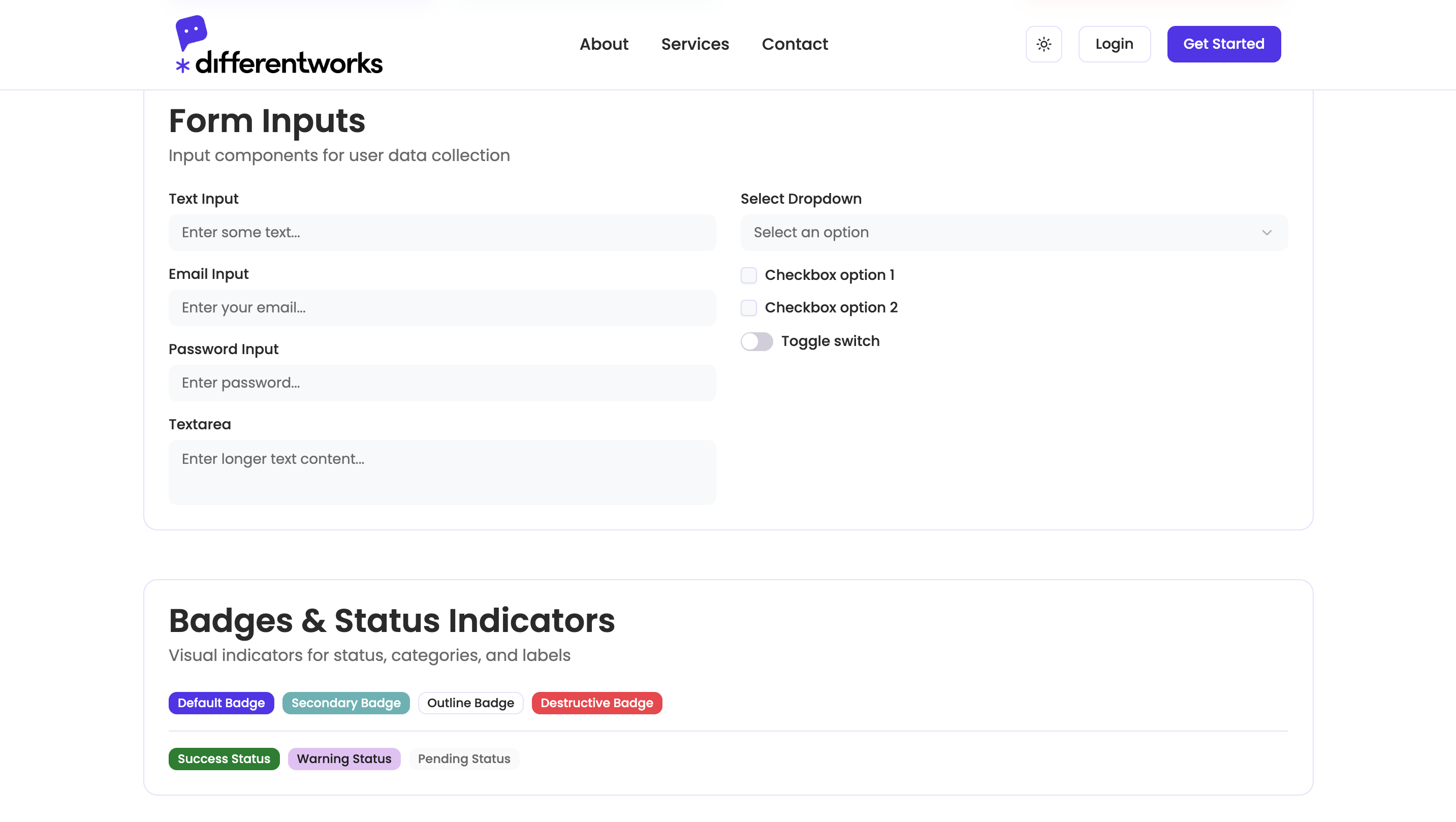
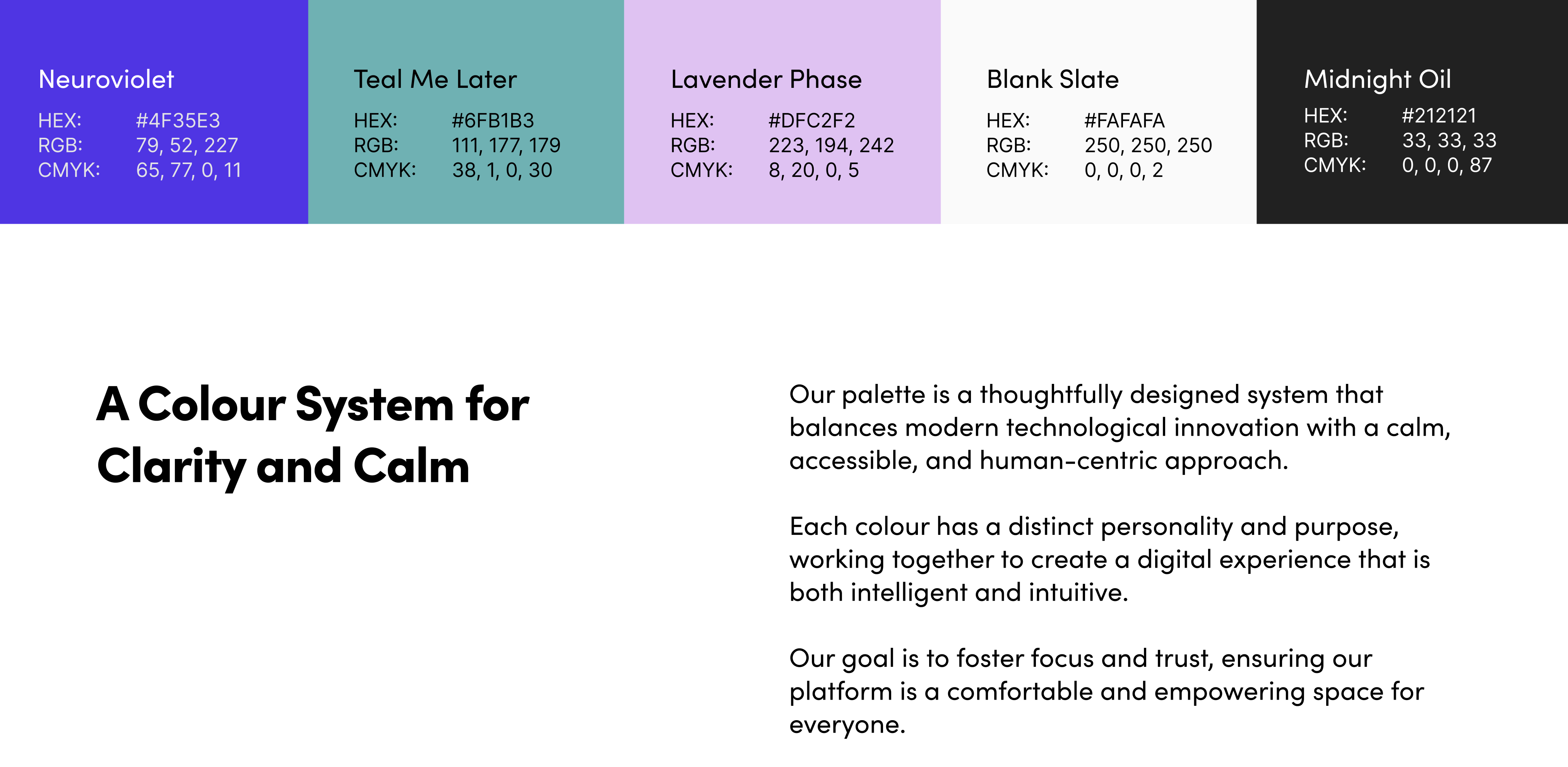
The colour palette was designed to be expressive without being overstimulating. Each hue was chosen for its contrast, tone, and emotional resonance, supporting both accessibility and identity.
I gave the primary colours distinct personalities through their names: Neuroviolet, Teal Me Later, and Lavender Phase. The result is a palette that has a 90s retro charm, but is calming, and human.
The final identity gives Differentworks a visual language that feels human and intentionally different. The Stella symbol stands out in the crowded HR tech space, a clear signal of human and technology working together.
The work created a flexible foundation for how Differentworks shows up in the world, as a brand built to grow, learn, and connect like the people it represents.
AI became a mirror for my creative process. It helped me organize nonlinear thinking and reveal patterns that might have stayed buried much longer. For neurodivergent designers, tools like this can make it easier to turn abstract ideas into something tangible.
The project also reinforced that inclusive design isn't limiting. It leads to greater clarity, empathy, and better outcomes for everyone, whether neurotypical or neurodivergent.